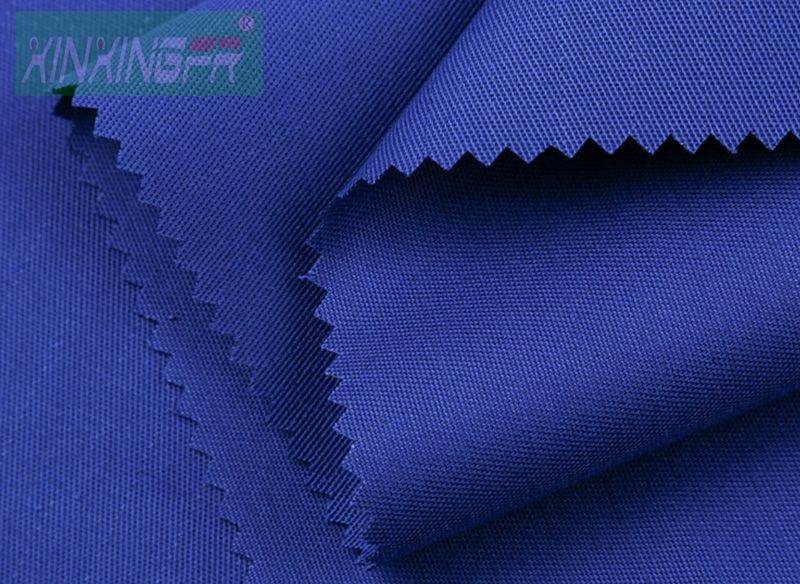
Fire retardant fabric wholesale is crucial for various industries. The importance of these fabrics lies in their ability to save lives and property by reducing fire risks. Fire retardant materials are essential for public safety, especially in commercial buildings, transportation, and other high-risk environments. Understanding the standards and certifications for fire retardant fabrics can ensure compliance and safety.
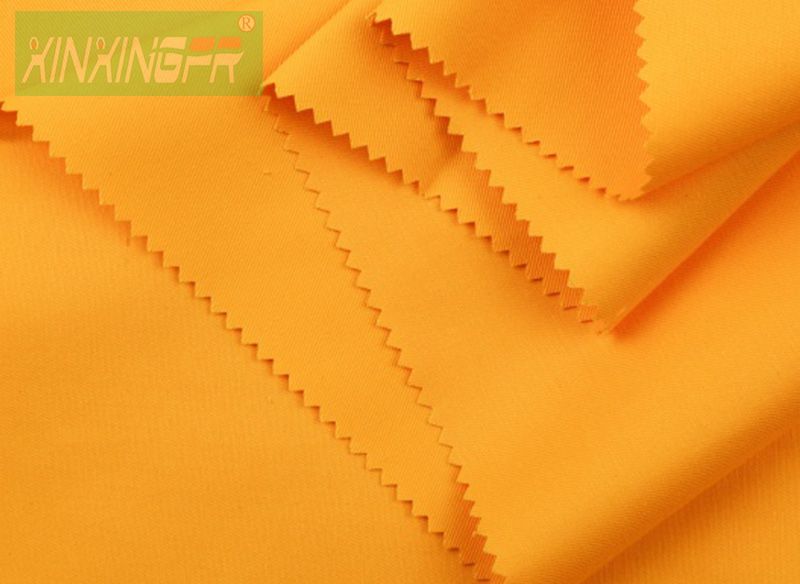
Fire retardant fabrics must comply with industry standards and certifications such as ASTM, NFPA, and ISO to ensure their effectiveness in preventing and slowing down the spread of flames.
The American Society for Testing and Materials (ASTM) provides numerous standards that are crucial for fire retardant fabrics. ASTM E84 is commonly used to evaluate the surface burning characteristics of building materials.
The National Fire Protection Association (NFPA) sets regulations, including NFPA 701, which measures the flammability of textiles and films. This code helps manufacturers ensure their products meet safety expectations.
The International Organization for Standardization (ISO) offers standardization for fire retardant fabrics. ISO 11612 addresses the protection provided by clothing against heat and flame.
Legal compliance is essential for businesses using fire retardant fabrics. Certifications prove that products meet necessary safety requirements.
Certification builds customer confidence in the fire retardant quality of fabrics. Knowing that products have passed specific tests ensures satisfaction.
Having certifications can provide a market edge. Companies with compliant products can distinguish themselves from competitors in the fire safety sector.
Several test methods are utilized to determine the fire retardancy of fabrics. Common tests include open flame tests, and radiant heat tests to evaluate performance.
Evaluation involves examining various fabric properties, including burn rate and heat release. These metrics are essential for assessing safety standards.
There are different types of fire retardant fabrics, including treated and inherent flame-resistant materials. Choosing the appropriate type depends on the intended use.
Fire retardant fabrics serve various industries, such as hospitality, transportation, and manufacturing. They play a critical role in enhancing safety measures.
Understanding the standards and certifications for fire retardant fabrics is essential for ensuring safety and compliance in various sectors. By complying with ASTM, NFPA, and ISO regulations, businesses can protect customers and themselves from fire hazards. Fire retardant fabric wholesale offers important materials that meet these critical standards.
Fire retardant fabric is designed to slow down the spread of flames, making it essential for safety in various applications.
Certifications demonstrate compliance with safety standards, ensuring that the fire retardant fabrics are effective and reliable.
ASTM E84 is a test method that evaluates the surface burning characteristics of building materials, including textiles.
No, not all fabrics can be treated. Only specific materials can be effectively treated or are inherently fire-resistant.
Check for appropriate certifications and standards compliance labels on the fabric.
Fire retardant fabrics can be purchased from specialized wholesale suppliers focusing on safety equipment and materials.


+86 135 9869 3034 (Ada)
South Fenghua Road, High-Tech Industrial Development of Xinxiang, Henan PC, China.
Copyright © Xinxiang Xinxing Special Fabric Co., Ltd. All Rights Reserved. Sitemap | Powered by 
SEOKeywords: Fire-Resistant Fabrics: Understanding Fire Retardant vs. Fire Resistant Fire-Resistant Fabrics: Understanding Fire Retardant vs. Fire Resistant FR Fabric for Oil & Gas Industry FR Fabric for Military & Police Flame Resistant Fabric for Firefighters FR Fabric for Welding Clothing Flame Retardant Fabric for Industrial Workwear FR Fabric for Electrician Uniforms