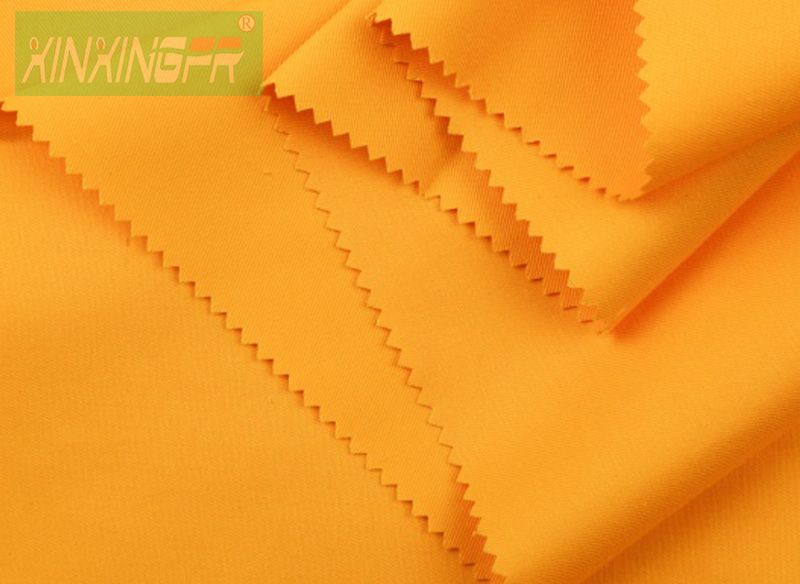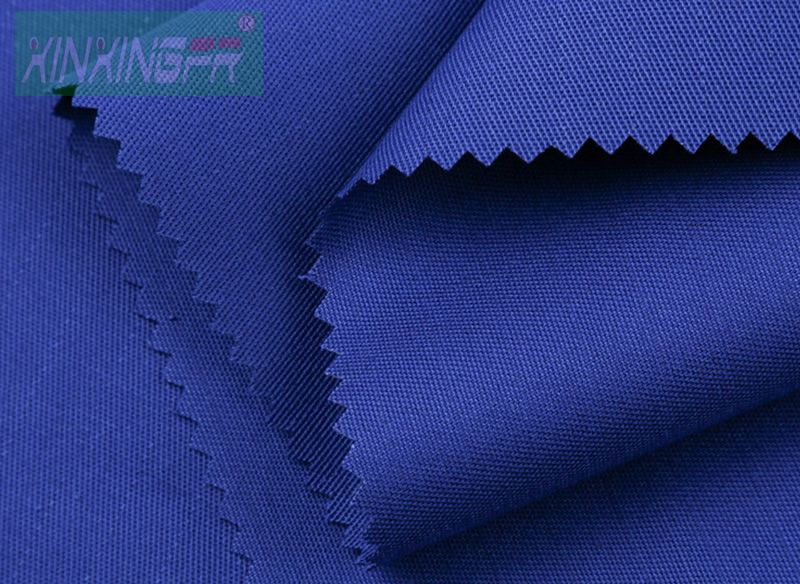
Industrial workers, firefighters, and medical personnel face significant threats every day from flames and heat. Flame Resistant Fabric plays a critical role in mitigating these dangers, providing crucial protection against burns and fatalities. The common pain point is that traditional materials can ignite easily, leading to catastrophic incidents. However, fire retardant fabrics, like those offered by Xinxing FR, provide a practical solution, significantly reducing the risk of injury during high-stakes scenarios such as firefighting, electrical work, and manufacturing. By investing in fire-resistant textile solutions, organizations are not only protecting their workforce but also ensuring compliance with safety regulations.
Utilizing fire retardant fabrics offers multiple advantages that enhance safety and compliance in various environments. Not only do these materials have the potential to save lives, but they also minimize the risks associated with fire hazards. According to a study by the National Fire Protection Association, clothing that meets standards for flame resistance can reduce burn injuries by up to 50% in occupational settings. Also, fabrics like those produced by Xinxing FR have been tested to withstand temperatures surpassing 300 degrees Fahrenheit without igniting, offering substantial thermal protection.
Case studies further illustrate the benefits of fire retardant fabrics. For example, in a major industrial plant, shifting to fire-resistant materials resulted in a 40% decrease in workplace injuries related to burns and fire events over a span of three years. Additionally, organizations experienced a 25% reduction in insurance premiums after implementing these advanced safety textiles.
When comparing fire retardant fabrics to traditional options, the differences become clear. Traditional fabrics can ignite within seconds in the presence of a flame, while flame-resistant materials typically self-extinguish within 3 seconds of fire exposure, drastically reducing the amount of time the wearer is exposed to danger. In critical situations, such as with firefighters or electrical workers, the choice between these two fabric types can mean the difference between life and death. The table below illustrates a snapshot comparison:
| Fabric Type | Ignition Time | Self-Extinguishing Property |
|---|---|---|
| Traditional Fabric | Immediate (0-3 seconds) | No |
| Fire Retardant Fabric | 3-10 seconds | Yes |
The significance of integrating fire retardant fabrics into safety applications cannot be overstated. Providing an essential barrier against extreme heat and flame, these materials not only enhance wearer safety but also lead to a reduction in potential accidents and insurance costs. Choosing high-quality options like those from Xinxing FR ensures compliance with safety regulations and contributes to a culture of safety within any organization.
For businesses looking to improve safety standards and minimize risks associated with fire hazards, exploring the fire retardant fabric wholesale options available through Xinxing FR is an essential step. These fabrics are not only a wise investment but also a proactive approach towards a safer working environment. To learn more about these innovative solutions or to schedule a trial, visit Xinxing FR.
Fire retardant fabrics can be made from a variety of sources, including cotton, polyester, and specialized synthetic fibers that are treated or inherently designed to resist ignition and combustion.
Yes, most fire retardant fabrics can be machine washed, although it is critical to follow the manufacturer’s care instructions to ensure that the flame-retardant properties are maintained.
Look for information regarding compliance with industry standards such as NFPA 701 or ASTM F1506, as well as labels indicating the fabric has been tested for flame retardancy.

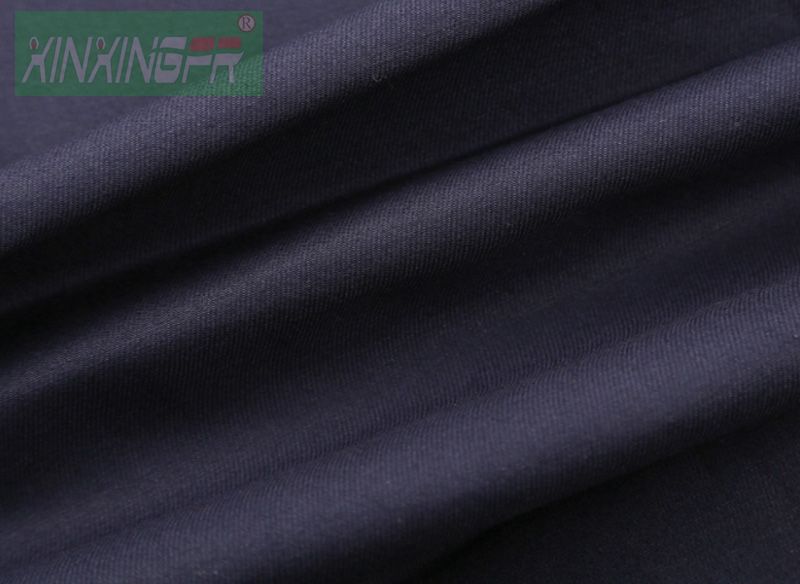

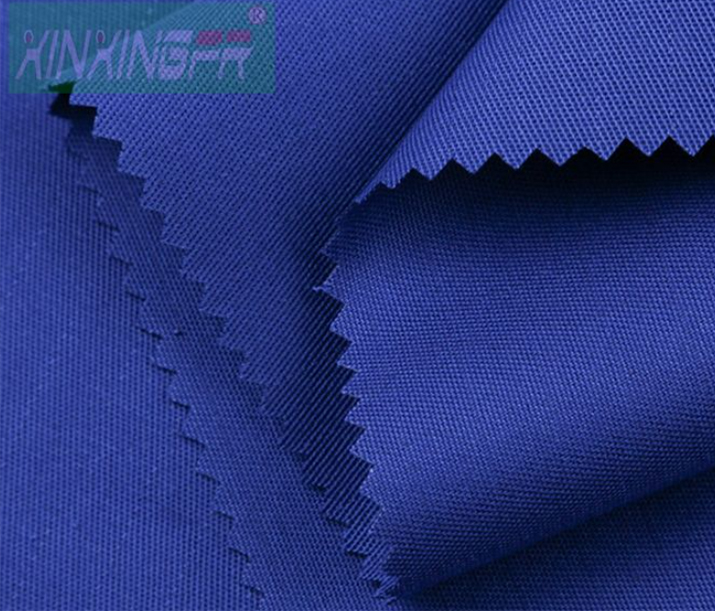
+86 135 9869 3034 (Ada)
South Fenghua Road, High-Tech Industrial Development of Xinxiang, Henan PC, China.
Copyright © Xinxiang Xinxing Special Fabric Co., Ltd. All Rights Reserved. Sitemap | Powered by 
SEOKeywords: Fire-Resistant Fabrics: Understanding Fire Retardant vs. Fire Resistant Fire-Resistant Fabrics: Understanding Fire Retardant vs. Fire Resistant FR Fabric for Oil & Gas Industry FR Fabric for Military & Police Flame Resistant Fabric for Firefighters FR Fabric for Welding Clothing Flame Retardant Fabric for Industrial Workwear FR Fabric for Electrician Uniforms