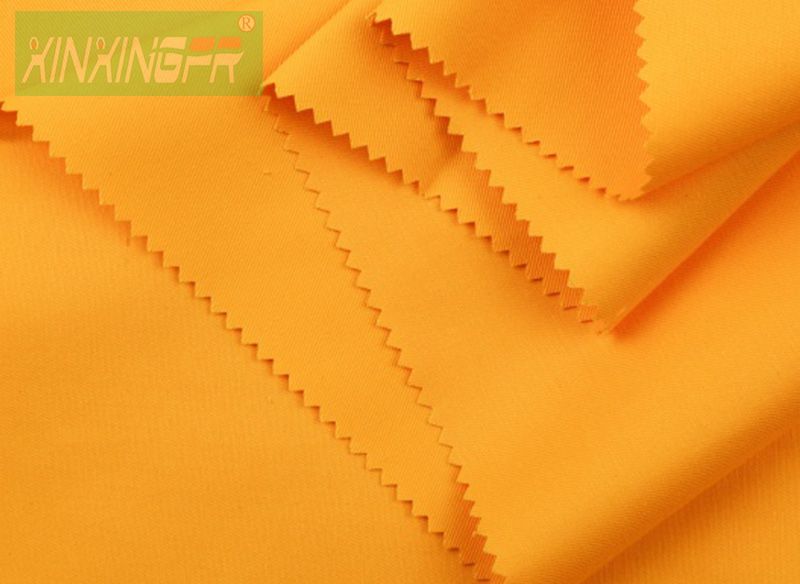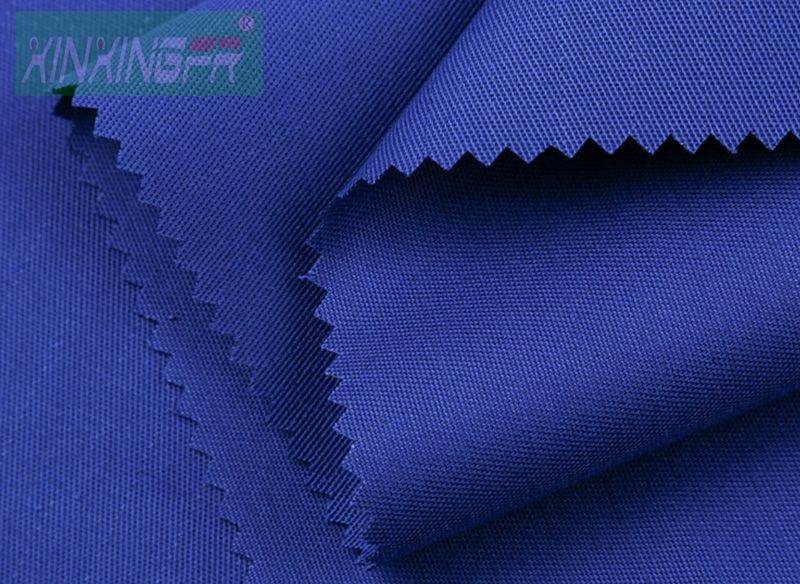
When it comes to safety in environments exposed to high temperatures and flames, understanding the difference between Fire Retardant Fabric and Flame Resistant Fabric is crucial. Many users, such as those in the manufacturing, construction, or even the entertainment industries, often grapple with choosing the right fabric for their needs. These choices aren’t just about comfort; they can be life-saving. Users often ponder questions like: "Will fire retardant fabrics provide enough protection in extreme heat?" or "How long can flame resistant fabrics withstand exposure before degrading?". Here, we break down the differences, supported by data and real-world experiences, to help you make an informed decision.
| Parameter | Fire Retardant Fabric | Flame Resistant Fabric |
|---|---|---|
| Definition | Fabric treated with chemical agents to resist ignition. | Fabric that inherently resists flames due to its fiber composition. |
| Durability | Typically lasts 30-50 wash cycles before losing effectiveness. | Retains flame-resistant properties for the life of the garment. |
| Applications | Used in upholstery, drapes, and construction sites. | Common in industrial and firefighting uniforms. |
| Cost per yard | Average cost around $8-$15. | Average cost around $10-$20. |
Choosing the right fabric often depends on the specific scenario in which it is used. For example, in a scenario involving theatrical performances where sparks may fly, flame resistant fabrics are usually preferred due to their inherent ability to withstand extreme heat without the risk of melting or igniting.
In contrast, a construction worker who may have a blend of fire retardant closures on their uniform might opt for fire retardant fabrics to protect against accidental exposure to flames and heat, allowing for not only safety but also comfort. In locations where the temperature can climb beyond 180°F, fabrics like Xinxing FR offer reliable protection without compromising on the necessary mobility for workers.
Many users have shared their experiences, highlighting their satisfaction with both categories of fabrics. A firefighter from Texas reported, “I’ve relied on flame resistant gear for over five years, and I’m confident it’s the reason I come home safe.” On the other hand, a set designer mentioned, “Using fire retardant fabric not only gave me peace of mind, but it also enhanced the aesthetic of our stage setups—much appreciated by our directors!”
For professionals in high-risk environments, it\'s imperative to choose the right fabric. Here are some selections based on user feedback:
Fire retardant fabrics are suitable for environments where sporadic flame exposure might occur, such as homes and certain commercial settings. Meanwhile, flame resistant fabrics are ideal for users in high-risk fields such as firefighting, electrical work, and heavy manufacturing. Understanding your specific needs and the level of risk involved is crucial in making the right decision.
If you’re ready to enhance your safety with the right fabric, download our comprehensive guide or contact our experts at Xinxing FR for tailored recommendations suited to your industry needs.
Fire retardant fabrics are treated with chemicals to resist flames, while flame resistant fabrics are crafted from materials that are inherently resistant to fire.
Flame resistant fabrics are designed to last throughout the lifespan of the garment, provided they are properly cared for and maintained.
Yes, fire retardant fabrics can lose their effectiveness after multiple washes—typically between 30-50 washes—depending on the care instructions.
+86 135 9869 3034 (Ada)
South Fenghua Road, High-Tech Industrial Development of Xinxiang, Henan PC, China.
Copyright © Xinxiang Xinxing Special Fabric Co., Ltd. All Rights Reserved. Sitemap | Powered by 
SEOKeywords: Fire-Resistant Fabrics: Understanding Fire Retardant vs. Fire Resistant Fire-Resistant Fabrics: Understanding Fire Retardant vs. Fire Resistant FR Fabric for Oil & Gas Industry FR Fabric for Military & Police Flame Resistant Fabric for Firefighters FR Fabric for Welding Clothing Flame Retardant Fabric for Industrial Workwear FR Fabric for Electrician Uniforms