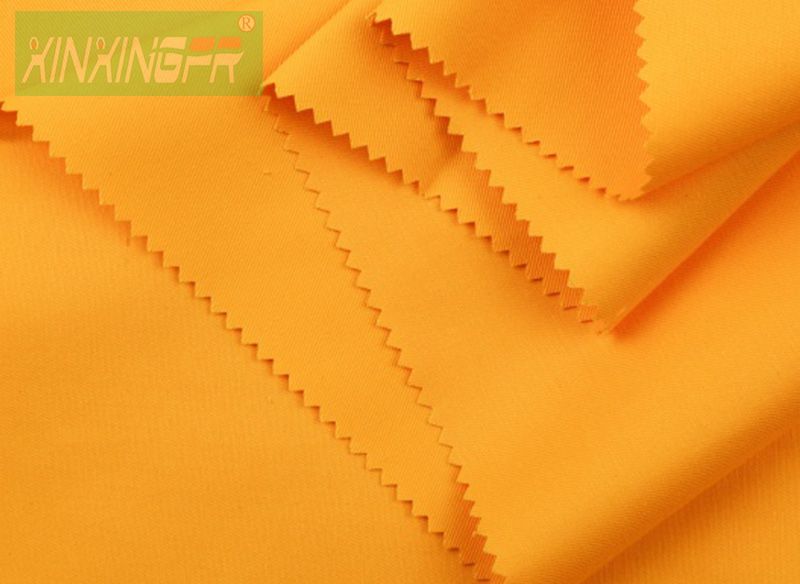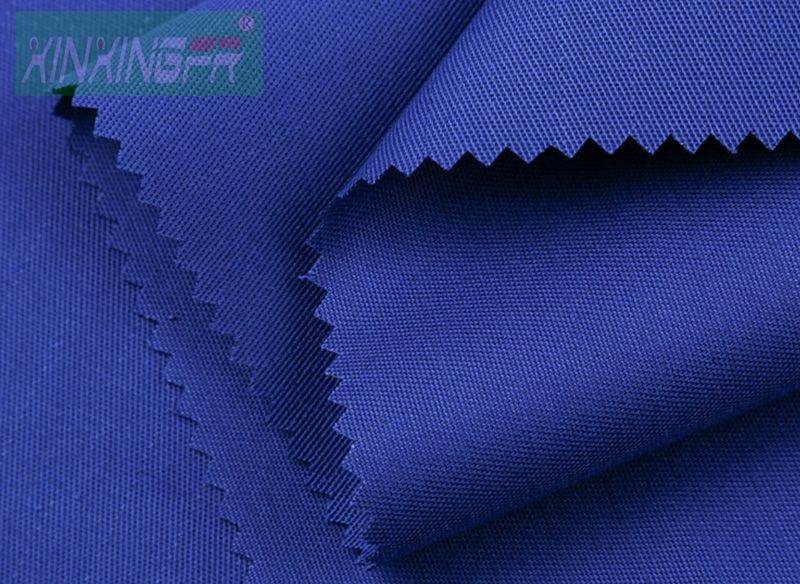
Fire retardant fabric wholesale is increasingly important in various industries. The need for safety from fire hazards is a growing concern. Many industries, such as construction, aviation, and hospitality, require materials that can resist flames. Fire retardant fabrics are designed to slow down the spread of fire and protect people and property. Understanding the types and characteristics of these fabrics is crucial for anyone involved in purchasing or using these materials. This article will explore common types of fire retardant fabrics and their applications. 
The most common types of fire retardant fabrics used in industry include:
1. Aramid
2. Cotton
3. Polyester
4. Wool
5. Nomex
6. Treated Cotton
7. Fiberglass
8. Modacrylic
These fabrics are designed to provide protection against fire and heat, making them essential for various applications. Understanding these types can help you make informed decisions when purchasing fire retardant fabrics.
Aramid fabrics, like Kevlar, are known for their strength. They are often used in protective clothing for firefighters and industrial workers. Due to their high resistance to heat, they provide excellent protection in hazardous environments.
Treated cotton fabrics are commonly used in workwear and uniforms. While cotton itself is flammable, fire retardant treatments make it safe for industrial use. This fabric is comfortable and suitable for various situations.
Polyester fabrics can be treated for fire resistance. They are often used in curtains, upholstery, and clothing. This type of fabric is popular due to its affordability and durability.
Wool is naturally resistant to flames. Its fibers do not melt and can resist high temperatures. It is often used in high-quality suits and firefighting gear. Wool provides both comfort and protection.
Nomex is a type of aramid fabric widely used in protective gear for firefighters and industrial workers. It can withstand extreme temperatures without burning. This makes it a preferred choice in hazardous industries.
Treated cotton offers the softness of regular cotton with fire-retardant properties due to chemical treatments. It is often used in work uniforms and safety clothing, providing comfort and safety at the same time.
Fiberglass fabrics can withstand extremely high temperatures. They are commonly used in applications such as insulation and protective clothing. Their fire-resistant properties make them ideal for industrial settings.
Modacrylic is a synthetic fiber that offers good flame-retardant properties when blended with other materials. It is commonly used in children\'s sleepwear and work clothing. Their durability is beneficial in many industries.
Understanding the common types of fire retardant fabrics used in industry is vital for safety and compliance. Each fabric has unique properties that make it suitable for specific applications. Whether you need fabrics for uniforms, protective gear, or furnishings, it is essential to choose the right type. Fire retardant fabric wholesale options provide the necessary protection against fire hazards. Always consider the requirements of your industry and select fabrics that offer adequate safety.
Fire retardant fabrics are materials specially treated or made to resist flames and slow the spread of fire.
They are important for safety in various industries, helping to protect people and property from fire hazards.
Yes, untreated cotton is flammable, but treated cotton can be made fire retardant through specific chemical processes.
Nomex is used in protective gear for firefighters and industrial workers due to its heat-resistant properties.
Untreated polyester is flammable, but treated polyester can provide fire-resistant benefits.
Industries like construction, aviation, hospitality, and manufacturing often use fire retardant fabrics to ensure safety.

+86 135 9869 3034 (Ada)
South Fenghua Road, High-Tech Industrial Development of Xinxiang, Henan PC, China.
Copyright © Xinxiang Xinxing Special Fabric Co., Ltd. All Rights Reserved. Sitemap | Powered by 
SEOKeywords: Fire-Resistant Fabrics: Understanding Fire Retardant vs. Fire Resistant Fire-Resistant Fabrics: Understanding Fire Retardant vs. Fire Resistant FR Fabric for Oil & Gas Industry FR Fabric for Military & Police Flame Resistant Fabric for Firefighters FR Fabric for Welding Clothing Flame Retardant Fabric for Industrial Workwear FR Fabric for Electrician Uniforms