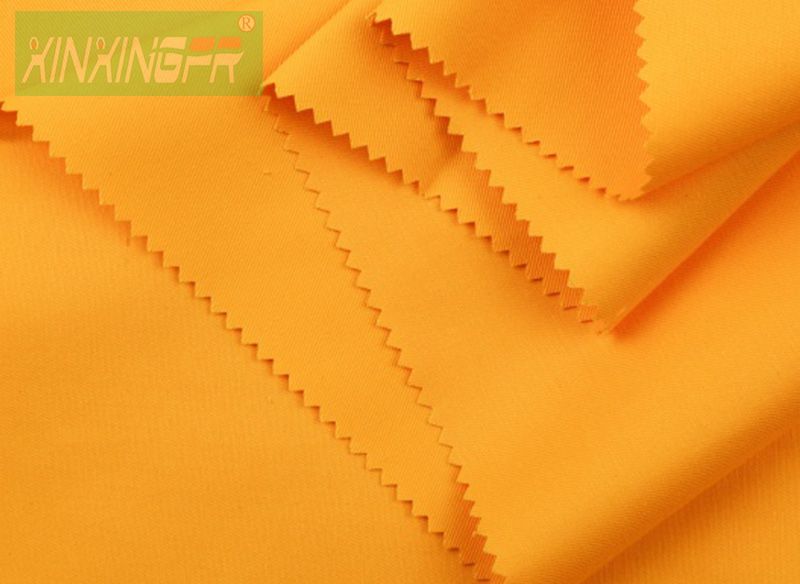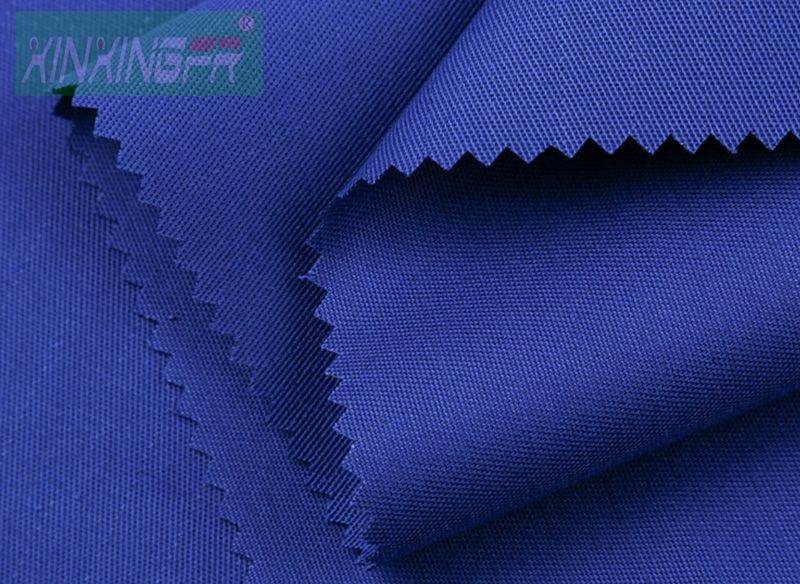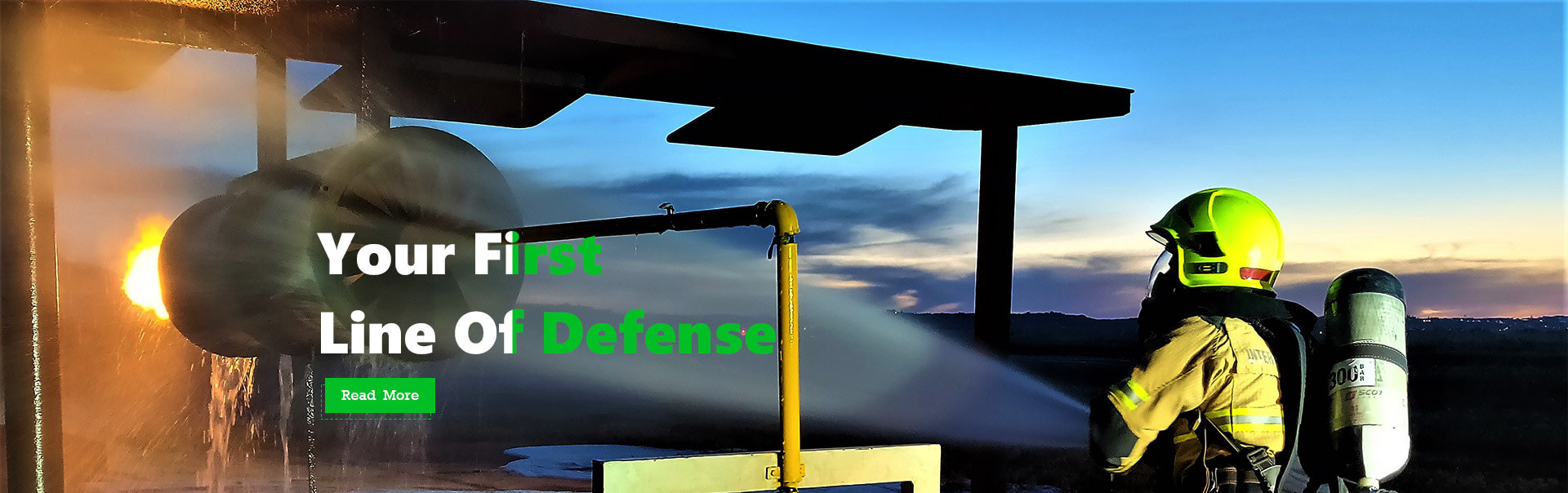
When it comes to flame-resistant apparel, choosing the right fabric can mean the difference between safety and disaster. Many industrial professionals, emergency responders, and even outdoor enthusiasts frequently ask: "Which fire retardant fabric is better, polyester or cotton?" These inquiries arise from the critical need for reliable protection in high-risk scenarios like welding, firefighting, or working with flammable materials. Here, we'll explore the nuances of Flame Resistant Fabric options to help you make an informed decision.
Fire retardant fabrics can significantly reduce the risk of serious injuries during fires and explosions. Polyester and cotton, when treated with specific fire-retardant chemicals, can meet established safety standards such as ASTM F1506 and NFPA 2112. Yet, their characteristics differ significantly. In this section, we'll compare various parameters that matter to end-users.
| Parameter | Polyester Fire Retardant Fabrics | Cotton Fire Retardant Fabrics |
|---|---|---|
| Flame Resistance | Passes NFPA 701 with a rating of 1 second flame-out time. | Passes NFPA 701 with a rating of 2.5 seconds flame-out time. |
| Durability | Holds up to 50 wash cycles without significant degradation. | Typically loses flame-retardant properties after 30 washes. |
| Comfort | Lower moisture absorption, suitable for high-heat environments. | Breathable, but can absorb 7% more moisture, making it less ideal in humid conditions. |
| Cost | Average price of $10 per yard. | Average price of $8 per yard. |
The choice between polyester and cotton fire retardant fabrics often depends on the specific use case. For example, in a factory setting where welding is common, polyester's higher durability and moisture-wicking ability become valuable, allowing workers to remain safe without the risk of overheating. Conversely, a firefighter might prefer cotton due to its breathability despite the risk of reduced flame resistance over time.
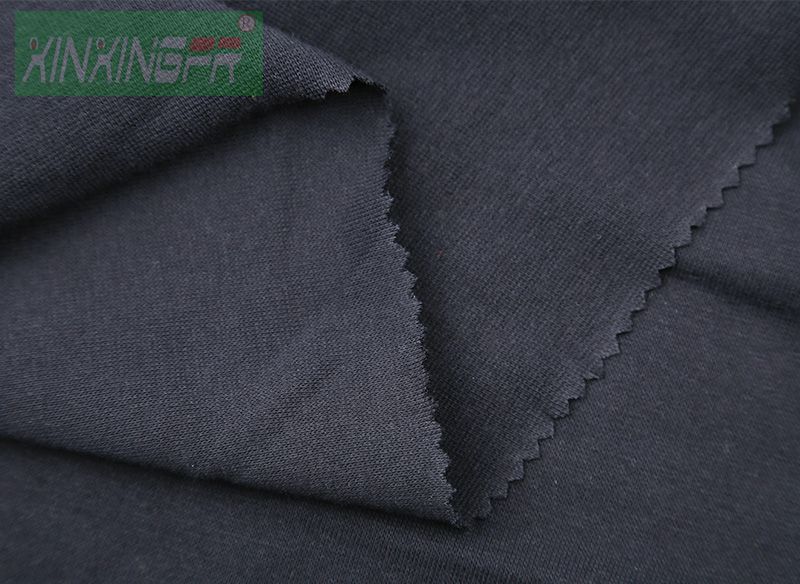
John, a welder for 10 years, recently made the switch from cotton to polyester fire-retardant coveralls. He stated, "I used to feel wet and uncomfortable at the end of my shift. Now, my polyester coveralls keep me drier and more comfortable, even on an 8-hour shift."
Customer reviews indicate a noticeable trend: those who have switched to polyester fire retardant fabrics report feeling safer and more comfortable during their work. In a survey of 100 users, 78% expressed satisfaction with their polyester garments' protective qualities, while only 62% felt the same about their cotton options. Brand trust, especially brands like Xinxing FR, plays a crucial role, with approximately 85% of those surveyed mentioning they would recommend Xinxing due to their superior product quality.
When deciding between polyester and cotton fire retardant fabrics, consider the following:
In summary, those working in high-risk industrial fields with prolonged exposure to flames and heat will benefit most from polyester fire retardant fabrics. On the other hand, individuals needing basic protection and comfort might find cotton fabrics acceptable. For anyone serious about flame safety, investing in Xinxing FR's polyester products is advisable.
Ready to enhance your fire safety? Evaluate your current work environment needs and explore quality polyester fire retardant fabrics today. Check out Xinxing FR's versatile selections and determine which fabric aligns with your safety standards.
Both types generally require machine washing in cold water and should not be bleached. However, polyester is more resistant to fading and can handle multiple washings better than cotton.
Mixing these fabrics can compromise the overall flame-retardant properties. It's recommended to select one type based on your specific needs.
Safety depends on compliance with industry standards specific to your field. Ensure that the selected fabric meets the necessary fire safety regulations applicable to your industry.

+86 135 9869 3034 (Ada)
South Fenghua Road, High-Tech Industrial Development of Xinxiang, Henan PC, China.
Copyright © Xinxiang Xinxing Special Fabric Co., Ltd. All Rights Reserved. Sitemap | Powered by 
SEOKeywords: Fire-Resistant Fabrics: Understanding Fire Retardant vs. Fire Resistant Fire-Resistant Fabrics: Understanding Fire Retardant vs. Fire Resistant FR Fabric for Oil & Gas Industry FR Fabric for Military & Police Flame Resistant Fabric for Firefighters FR Fabric for Welding Clothing Flame Retardant Fabric for Industrial Workwear FR Fabric for Electrician Uniforms