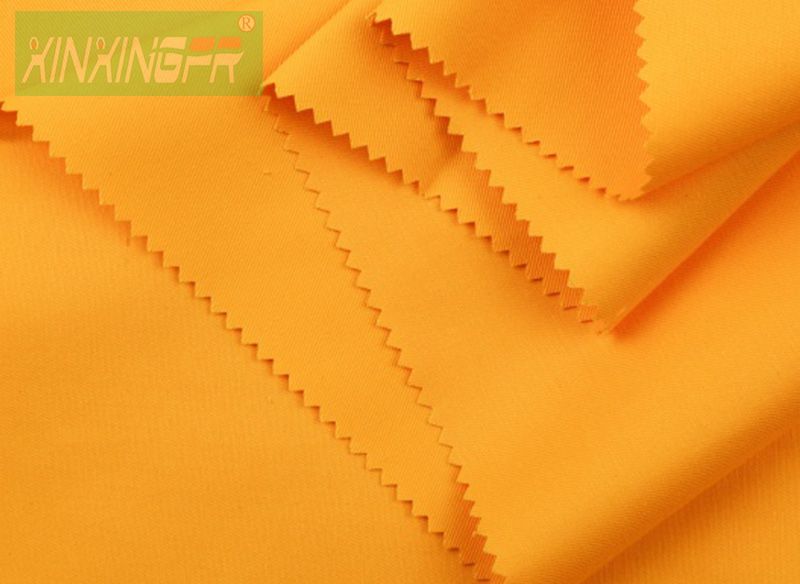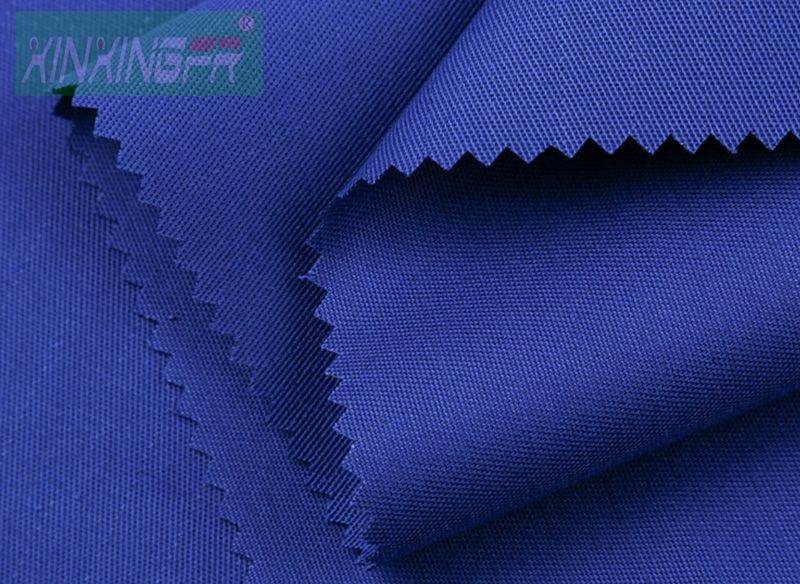
Fire retardant fabrics are essential for workwear and protective clothing. These specialized materials help reduce the risk of burns and injuries in hazardous environments. Many industries require protective clothing to keep their workers safe from flames and heat. This is where fire retardant fabrics come into play. Understanding their importance can help you make informed decisions when choosing suitable materials for your needs. In this article, we will explore different types of fire retardant fabrics and how they enhance safety.

Fire retardant fabrics effectively protect workers from fire hazards in various industries. They are designed to resist ignition and slow down the spread of flames, making them crucial for safety.
These fabrics combine natural cotton with synthetic fibers. They offer good breathability and comfort while maintaining fire safety features.
Nomex is a trademarked fabric known for its excellent fire resistance. It is lightweight, providing comfort and protection in extreme heat situations.
Proban treatment involves applying a chemical finish to cotton fabrics. This process makes them flame resistant and can withstand multiple washes.
These fabrics are specially designed for the oil, gas, and chemical industries. They offer enhanced protection against flames and hazardous materials.
Aramid fabrics are engineered for durability and heat resistance. They are often used in fire services and military applications.
Flame resistance is the foremost feature of these fabrics. They offer superior protection against flames and high temperatures.
Even with safety features, comfort is critical. Many fire retardant fabrics are designed to be breathable, allowing for better airflow during use.
Fire retardant fabrics are made to withstand wear and tear. They retain their protective qualities even after numerous washes.
Some fire retardant fabrics wick moisture away from the skin. This feature helps keep workers dry and comfortable in hot conditions.
Many industrial sectors utilize fire retardant fabrics. This includes workers involved in oil and gas, firefighting, and chemical processing.
Electricians benefit from flame-resistant clothing to protect against electrical hazards and potential fires.
Military personnel wear fire retardant clothing to safeguard against explosions and fire while in combat situations.
Firefighters and emergency workers rely on these fabrics for protection in high-stakes, hazardous environments.
Ensure the fabrics meet relevant safety standards. Look for certifications that indicate compliance with industry regulations.
The weight of the fabric can impact comfort and protection level. Lighter materials may be more comfortable, while heavier fabrics offer more protection.
Consider your budget. Investing in high-quality fire retardant fabrics can lead to enhanced safety and durability.
Choose suppliers known for quality and reliability. Xinxing FR is a reputable provider in the fire retardant fabric industry.
In summary, fire retardant fabrics play a crucial role in workwear and protective clothing. They provide essential safety features that protect workers from hazardous conditions. Understanding the different types and their applications will help you make informed decisions for your safety needs. When considering fire retardant fabrics, prioritize quality and compliance to ensure the best protection.
What are fire retardant fabrics?
Fire retardant fabrics are materials designed to resist ignition and slow down the spread of flames.
What industries require fire retardant fabrics?
Industries such as oil and gas, firefighting, military, and electrical work all require fire retardant fabrics for safety.
How do I choose the right fire retardant fabric?
Consider factors such as compliance certification, fabric weight, cost efficiency, and supplier reputation when choosing the right fabric.
Are fire retardant fabrics washable?
Yes, many fire retardant fabrics are washable, but it's important to follow the manufacturer's care instructions to maintain their protective properties.
What are the benefits of using fire retardant fabrics?
Benefits include enhanced safety, durability, comfort, and compliance with industry safety standards.
How do fire retardant fabrics work?
These fabrics often contain chemical treatments or special fibers that help resist flames and protect the wearer from heat and burns.

+86 135 9869 3034 (Ada)
South Fenghua Road, High-Tech Industrial Development of Xinxiang, Henan PC, China.
Copyright © Xinxiang Xinxing Special Fabric Co., Ltd. All Rights Reserved. Sitemap | Powered by 
SEOKeywords: Fire-Resistant Fabrics: Understanding Fire Retardant vs. Fire Resistant Fire-Resistant Fabrics: Understanding Fire Retardant vs. Fire Resistant FR Fabric for Oil & Gas Industry FR Fabric for Military & Police Flame Resistant Fabric for Firefighters FR Fabric for Welding Clothing Flame Retardant Fabric for Industrial Workwear FR Fabric for Electrician Uniforms